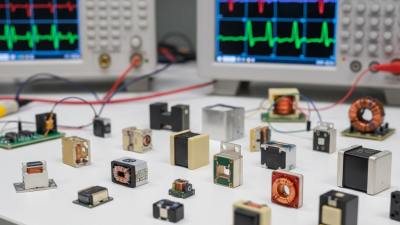
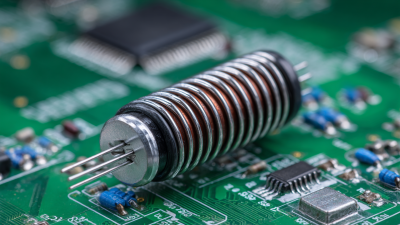
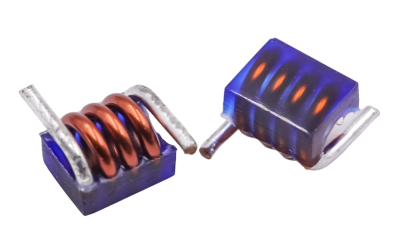
When you’re talking about communication systems, you really can't overlook the importance of common mode choke inductors. These passive little components are pretty much unsung heroes—they help filter out unwanted noise and keep signals clear. I remember Dr. Emily Turner from Passive Solutions Inc. mentioning, “A well-designed common mode choke can make a big difference in how well communication devices perform.” It’s true!
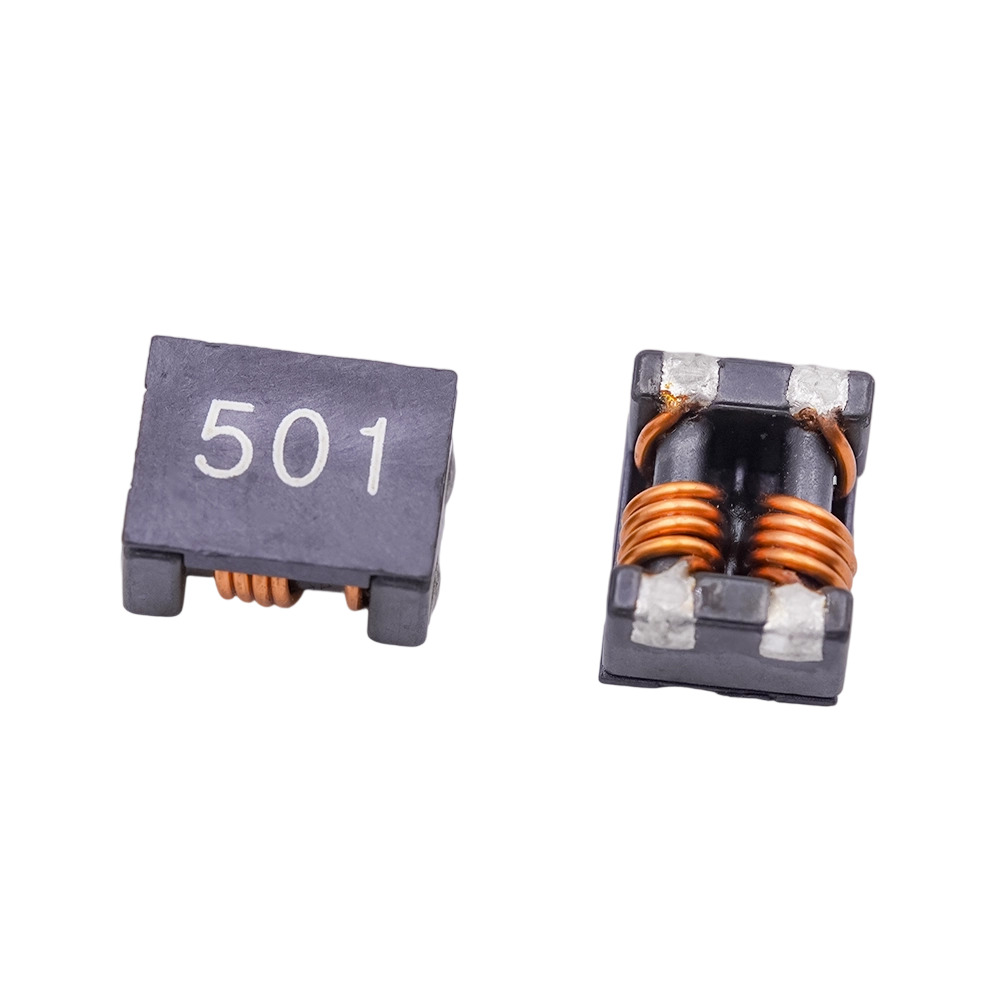
Core Common Mode Line Filter with Factory Price/Noise Suppression
Common Mode Chokes are specially made to fight off that pesky common mode noise, which means your signals come through cleaner. That’s super important whether you’re dealing with maritime communication gear or just your everyday gadgets. But here’s the catch—picking the right inductor isn’t always as straightforward as it looks. Not all chokes are created equal, and their performance can vary a lot depending on the application.
A lot of engineers sometimes overlook how crucial the inductance value or the quality factor really is. Skipping over those details can lead to performance issues down the line. Jumping into a design with a common mode choke without understanding its specs could cause more headaches than it’s worth. So, really getting to know each component’s characteristics is key if you want the system to work as planned. In the end, how well these passive parts perform has a huge impact on the overall reliability of communication systems—that’s what really counts.
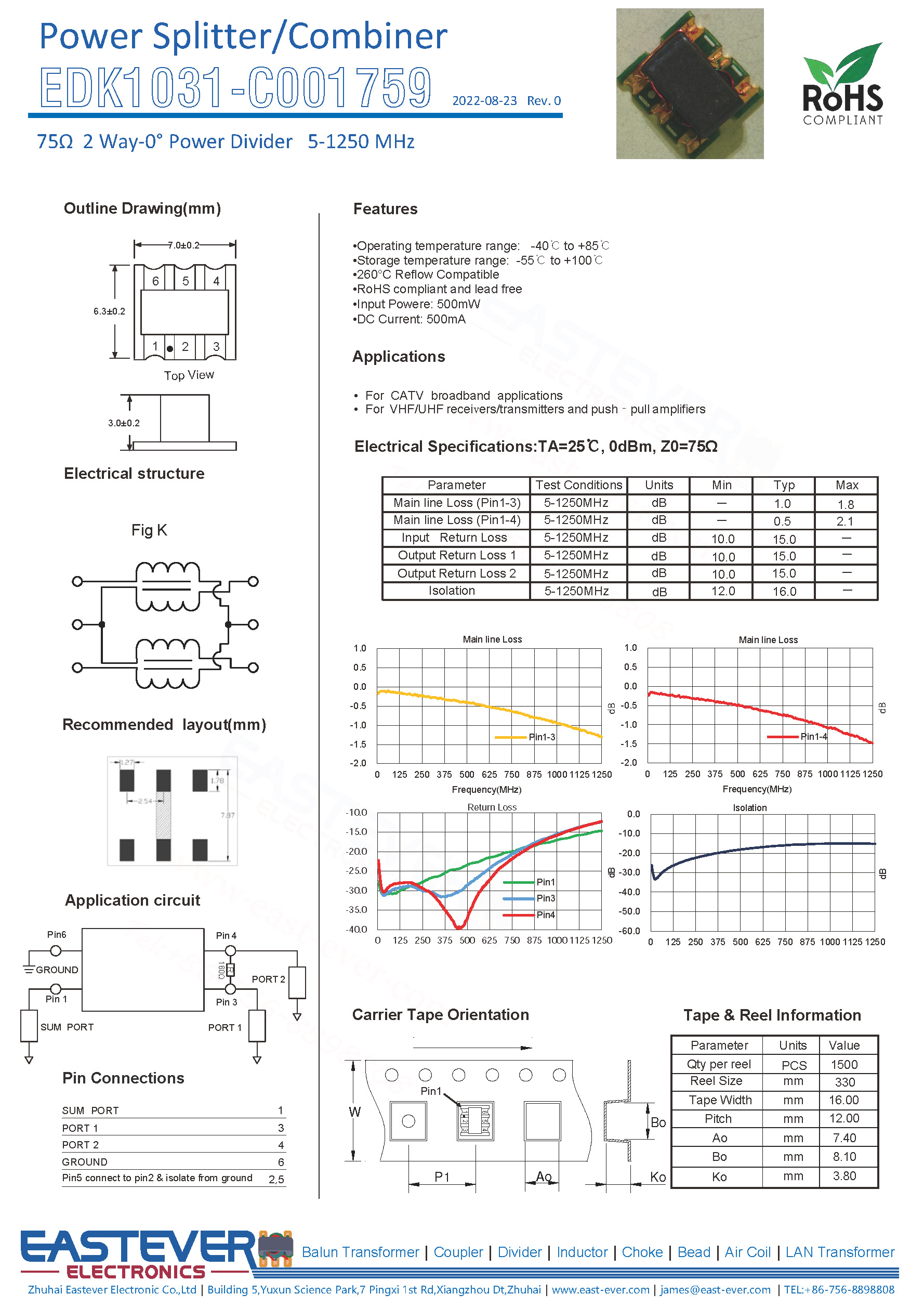
Overview of Common Mode Choke Inductors in Communication Systems
Common mode choke inductors play a crucial role in communication systems. They help reduce electromagnetic interference. This interference can disrupt signals in data transmission. A common mode choke works by suppressing unwanted noise while allowing desired signals to pass.
When selecting a common mode choke, consider its inductance value and current rating. A higher inductance usually means better noise suppression. Experimenting with different configurations can yield different results. Each scenario might necessitate a unique specification. Using a Usb Common Mode Choke can significantly improve signal integrity in USB connections.
Tips: Pay close attention to installation. Improper placement can lead to suboptimal performance. Always check connections and grounding to prevent issues. Testing different designs is vital. Analyzing results helps refine your approach. Communication systems need reliability. Minor adjustments could lead to significant improvements.
Top Common Mode Choke Inductors in Communication Systems
| Inductor Type | Inductance (µH) | Current Rating (A) | DC Resistance (Ω) | Temperature Range (°C) |
| Common Mode Choke A | 10 | 2.0 | 0.15 | -40 to 125 |
| Common Mode Choke B | 15 | 3.5 | 0.20 | -40 to 150 |
| Common Mode Choke C | 20 | 4.0 | 0.25 | -40 to 125 |
| Common Mode Choke D | 30 | 5.0 | 0.30 | -40 to 150 |
| Common Mode Choke E | 50 | 7.0 | 0.40 | -40 to 155 |
Importance of Common Mode Chokes in Signal Integrity
Common Mode Chokes play acrucial role in maintaining signal integrity within communication systems. These components filter out unwanted noise and interference. By doing so, they help ensure that only the intended signalsare transmitted. Effective Common Mode Chokes can preventdata loss and improve overall performance.
In a world of complex electronic devices, signal integrity is paramount. When signals are compromised by common noise, the outcome can be detrimental. Poor performance can arise from inadequate filtering. Users may experience dropped connectionsor distorted audio. Engineers often overlook Common Mode Chokes in their designs. This oversight can have serious repercussions, leading tounreliable systems.
Choosing the right common mode choke requires careful consideration. Not all designs are suitable for every application. Analysis of specific frequencies and environments is necessary. Testing different inductors can reveal surprising outcomes. Some chokes perform well in certain situations but fail in others. Designers must be willing to adapt and optimize their selections to achieve the best results.
Types of Common Mode Choke Inductors Used in Communication
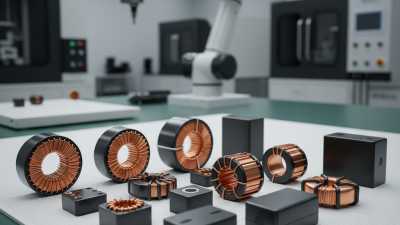
In communication systems, the choice of common mode choke inductors is crucial. These inductors help filter out noise and improve signal integrity. Various types are utilized based on specific needs. For example, ceramic core Common Mode Inductors are often favored for their compact size and high-frequency capabilities. They can handle significant current levels, making them suitable for power line applications.
Another type is the ferrite core Common Mode Inductor. These inductors provide excellent performance at lower frequencies. They are often used in data communication lines and telecommunication devices. Research indicates that proper selection can reduce electromagnetic interference (EMI) by up to 30%. However, there are challenges. Variability in manufacturing can lead to inconsistent inductance values, affecting overall system performance.
Additionally, multilayer Common Mode Inductors are gaining popularity. They offer a higher inductance in a smaller footprint. Data shows that multilayer designs can achieve up to 50%more inductance compared to traditional types. Yet, they can be more expensive and may require careful integration into designs. Engineers must weigh these factors when making decisions about Common Mode Inductors.
Key Materials and Design Considerations for Choke Inductors
When designing choke inductors for communication systems, materials play a crucial role. Ferrite cores are a popular choice. They provide high permeability and low losses at high frequencies. However, not every ferrite material is suitable for all applications. It's important to match the core material with the frequency range of the signal to minimize distortion. Some designs may overlook this aspect, leading to inefficiencies.
The winding configuration is another critical factor. A twisted pair winding can greatly enhance the performance of Common Mode Chokes. This technique effectively cancels out the common mode noise while allowing differential signals to pass. Designers should consider the number of turns carefully. Too few turns can lead to low inductance, while too many can introduce losses. Balancing these elements often requires experimentation.
Thermal management should not be ignored. Heat can impact the performance of choke inductors. Ensuring proper spacing and ventilation is essential. Sometimes, designs fail to account for heat dissipation, resulting in overheating. This can cause the inductor to degrade over time. Reflecting on these challenges can lead to a more robust design process.
Performance Metrics for Evaluating Common Mode Chokes
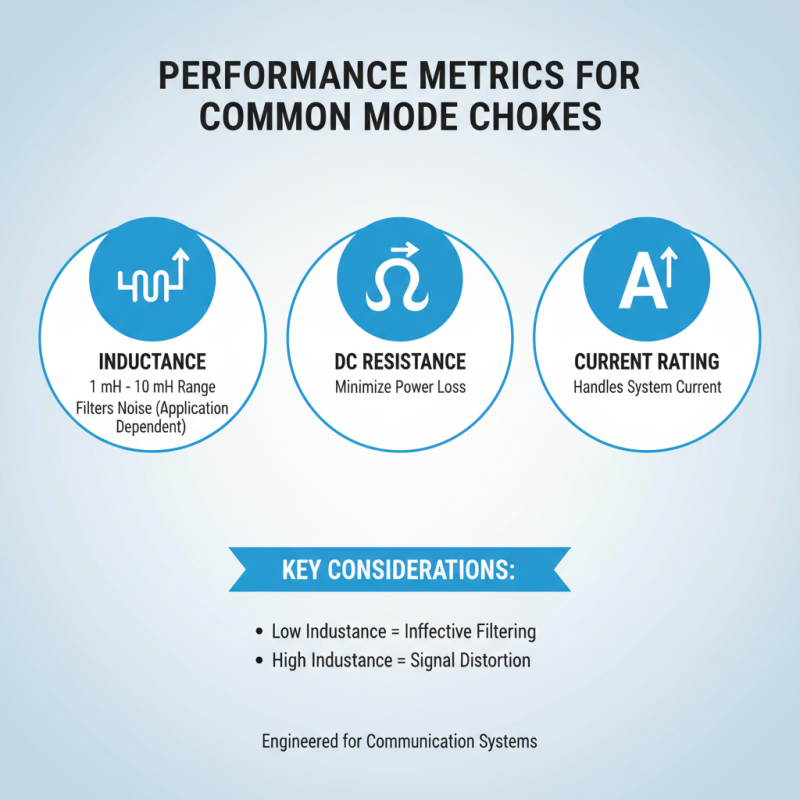
When evaluating common mode choke inductors in communication systems, performance metrics play a vital role. Engineers need precise data to gauge effectiveness. Parameters such as inductance, DC resistance, and current rating are essential. Reports indicate that inductance values typically range from 1 mH to 10 mH. However, the specific application dictates the suitable value. Low inductance may not filter noise effectively. High values could cause signal distortion.
Another crucial metric is DC resistance (DCR). Low DCR is vital for reducing power losses. This can improve overall system efficiency. Values under 100 ohms are often ideal. Testing shows that higher DCR can significantly impact signal integrity and performance. It's not uncommon for performance to vary by as much as 20% across similar models. Engineers should always verify these numbers against expected benchmarks.
Current rating is equally important. It determines the maximum load the inductor can handle. Exceeding this limit risks overheating and failure. Data suggest that many Common Mode Chokes are rated between 500 mA and 5 A. Yet, real-world applications may exceed these limits. This raises questions about durability and reliability in actual scenarios. Reflecting on these performance metrics is essential for optimization and long-term functionality in communication systems.
Applications of Common Mode Chokes in Different Communication Technologies
Common Mode Chokes play a crucial role in modern communication technologies. They help eliminate unwanted noise from signals. This is especially important in environments with electromagnetic interference. For instance, in data transmission, a Common Mode Filter can improve signal integrity. This ensures clear communication between devices.
In wireless communication systems, Common Mode Chokes are widely used. They reduce interference from external sources. This enhances the performance of antennas. However, not every application benefits equally. In some scenarios, the choke could alter the desired signal.Engineers must carefully assess the trade-offs when implementing these filters.
VoIP systems also utilize common mode chokes. They filter out noise, enabling crisp audio. Yet, some users report issues with echo or distortion. This could stem from improper choke placement. Each installation demands attention to detail. While common mode chokes are effective, there are challenges. Balancing noise reduction with overall signal quality requires thorough testing.
Future Trends and Innovations in Common Mode Choke Inductor Design
The evolution of common mode choke inductors in communication systems is fascinating. These components are crucial for reducing noise and ensuring signal integrity. Recent data shows a projected growth rate of over 8% in the common mode choke market by 2025, indicating strong demand. This demand arises from increasing wireless communication applications and the rise of IoT devices.
Emerging technologies are pushing the boundaries of inductor design. Innovations include the use of nano-coatings and advanced ferrite materials. These developments significantly enhance efficiency. However, designers face challenges in balancing performance and size. Current market demands require solutions that fit compact devices without compromising quality. The integration of AI in the design process is another trend. It allows for optimizing parameters, but it also introduces complexity in the design phase.
Lastly, as sustainability becomes a priority, eco-friendly materials are gaining traction in inductor manufacturing. The shift towards greener solutions is commendable, yet it raises questions about performance. Industry experts highlight the need for thorough testing to validate these new materials under various conditions. The journey of common mode choke inductors is indeed complex, promising yet challenging.
Enhancing Circuit Performance: The Role of SMTAM1812 Ferrite SMD Inductors in Noise Suppression Applications
In the realm of modern electronics, noise suppression is a critical requirement for enhancing circuit performance, particularly within high-frequency applications. The SMTAM1812 Ferrite SMD Inductors are designed to meet this need effectively. Their compact size paired with high-performance capabilities makes them ideal components for any designer aiming to improve signal integrity in various devices, including mobile phones and digital TVs. The inductors’ low cost and ease of integration further bolster their appeal within the competitive landscape of electronic components.
One of the standout features of the SMTAM1812 inductors is their elevated Q factor, which indicates their efficiency in energy storage and minimal resistive losses at high frequencies. This characteristic is essential for applications in wireless LANs, Bluetooth equipment, and power amplifiers, where signal clarity is paramount. Additionally, their low sensitivity to humidity simplifies bonding processes, making installation straightforward in diverse operating environments. As device manufacturers continue to demand higher reliability and performance, the SMTAM1812 inductors present a robust solution for optimizing circuit designs while ensuring excellent noise suppression.
FAQS
: Ferrite cores are popular. They offer high permeability and low losses at high frequencies.
Matching core material with signal frequency reduces distortion. Not all ferrite materials suit every application.
Twisted pair winding enhances common mode chokes. It cancels out noise but allows differential signals.
Too few turns yield low inductance. Too many introduce losses, affecting overall performance.
Heat impacts choke inductor performance. Poor heat dissipation can lead to overheating and degradation.
They eliminate unwanted noise, crucial in noisy environments, ensuring clearer signals.
They reduce external interference, improving antenna performance but may alter desired signals.
Echo or distortion may occur due to improper choke placement. Attention to detail is essential.
Not necessarily. Some scenarios could see trade-offs affecting signal quality.
Balancing noise reduction and signal quality requires careful assessment and thorough testing.
Conclusion
Common mode chokes are essential passive components in communication systems, designed to filter out noise and enhance signal integrity. These inductors effectively suppress common mode interference, which can degrade the quality of data transmission. By understanding the importance of common mode chokes, engineers can select the appropriate types and designs that meet specific performance metrics necessary for various communication technologies.
The article delves into the types of common mode choke inductors available, along with key materials and design considerations that influence their efficiency. Furthermore, it highlights the applications of these inductors across different communication platforms and discusses future trends and innovations in their design. As communication technologies evolve, the role of common mode chokes will continue to be pivotal in ensuring reliable and clear signal transmission.

 +86-15916242887
 CONTACT US